

Spring Forward, Fall Back—Is It Time to Stop Changing Our Clocks?
By Dr. Juris Bunkis
Honorary Consul, Republic of Latvia in Southern California
Orange County Plastic Surgery, Corona del Mar/Newport Beach
One of the many things I love about Panama, where Deborah and I plan to retire someday, is that the sun rises at approximately 6:30 every morning and sets around 6:30 every evening, throughout the year. Because Panama is so close to the equator, daylight hours vary relatively little between summer and winter. And best of all, Panamanians never have to change their clocks!
On November 1st, most Americans turned their clocks back one hour, ending Daylight Saving Time. Next March, we will move them forward again. Like most Americans I have discussed this with, I find this twice-yearly ritual unnecessary and irritating!
How did we get here?
Daylight Saving Time was first introduced nationally in the United States in 1918, during World War I, primarily to conserve fuel. It returned during World War II, and the Uniform Time Act of 1966 eventually standardized the practice. The idea was simple: shifting an hour of daylight from morning to evening would reduce the need for artificial lighting and potentially save energy.
But does it still make sense?
Modern studies suggest that energy savings are modest at best, particularly as increased air-conditioning use can offset reduced lighting costs. Businesses must adjust schedules, transportation systems, computer operations, and staffing. There is no universally accepted estimate of the total economic cost, but disrupted sleep, reduced productivity, and scheduling complications certainly have consequences.
More concerning are the health effects. Studies have associated the springtime clock change with sleep disruption, increased traffic accidents, and a temporary rise in certain cardiovascular events. Our internal biological clocks do not necessarily appreciate government interference!
Interestingly, Hawaii and most of Arizona have opted out of Daylight Saving Time altogether, as have Puerto Rico and several other American territories.
There is growing momentum for change. In July 2026, the House of Representatives passed the Sunshine Protection Act, which would establish permanent Daylight Saving Time. President Trump and supporters of extended evening daylight favor this approach. However, many sleep specialists advocate permanent standard time, arguing that morning sunlight better supports our natural circadian rhythms. Opponents of permanent Daylight Saving Time also worry about children traveling to school in darkness during winter mornings.
The Senate has not approved the legislation, and prospects for immediate change remain uncertain.
Personally, I would be delighted to eliminate the twice-yearly clock changes. Whether we choose permanent standard time or permanent Daylight Saving Time, surely we can find a better solution than the present arrangement!
Meanwhile, I look forward to Panama, where the sun and the clocks seem to have reached a perfectly sensible agreement.
What do you think? Should we stop changing our clocks twice a year? Let me know your thoughts.

Sunrise in Panama City – 6:30 am.
Two Surgeons, One Team—Making the Most of Time in the Operating Room
By Dr. Deborah Ekstrom
Orange County Plastic Surgery, Corona del Mar/Newport Beach
This Week's Plastic Surgery Quiz
What is a potential advantage of having two experienced plastic surgeons work together during a complex, combined surgical procedure?
At Orange County Plastic Surgery, Dr. Bunkis and I have developed a surgical approach that we believe offers significant advantages to appropriately selected patients: two experienced, board-certified plastic surgeons working together as a team.
While surgical collaboration is common in certain specialties, we know of few aesthetic plastic surgery practices—and none personally in Orange County—where two senior surgeons routinely combine their expertise for larger, more complex procedures.
Together, we bring more than 80 years of surgical experience into the operating room!
Our approach is carefully organized. For every case, one surgeon is designated the primary surgeon, responsible for the overall surgical plan and final decisions. The second surgeon contributes additional expertise, performs complementary portions of the procedure, and helps ensure that the operation progresses efficiently.
Consider a recent example. Last week, we operated on a healthy 61-year-old patient who underwent abdominoplasty, liposuction, fat grafting to the buttocks, a secondary facelift, and rhinoplasty.
That is an extensive combination of procedures! Performing all of them sequentially would require considerably more operating time and could not be done safely in one sitting. By coordinating our efforts and working simultaneously on different areas when appropriate, we completed the operation safely in under four hours.
This was possible because of meticulous preoperative planning, an experienced anesthesia team, careful patient selection, and two surgeons who know how to work together seamlessly.
Another example involves patients who have experienced massive weight loss.
These individuals frequently have excess skin involving several body areas. By combining procedures such as thighplasty (thigh skin reduction), brachioplasty (arm skin reduction), and breast lifting, we can sometimes accomplish in one operation what might otherwise require multiple surgical sessions.
The potential benefits are substantial: reduced operating-room and anesthesia time, lower facility-related expenses, fewer separate anesthetic exposures, and the convenience of combining recovery periods.
Of course, two surgeons do not make every combination of procedures safe. We carefully evaluate each patient’s health, the extent of surgery, anticipated blood loss, positioning requirements, and risks of complications, including blood clots.
Sometimes staging procedures remains the safest choice.
Our philosophy is simple: teamwork should never mean rushing. It means combining experience, judgment, planning, and technical skill to deliver excellent care efficiently.
As Dr. Bunkis discussed above, time is precious. In surgery, using that time wisely can make a meaningful difference for our patients.
This male in his mid-40’s presented with gynecomastia and truncal skin excess following a 90 pound weight loss following a strict diet and exercise program. He is shown here following a “Daddy Makeover” consisting of gynecomastia surgery and abdominoplasty to get this stellar result. (Dr. Juris Bunkis of Orange County Plastic Surgery was the lead surgeon in this case.)
Interested in a major improvement? CLICK HERE to set up an appointment with Dr. Ekstrom to explore your options.
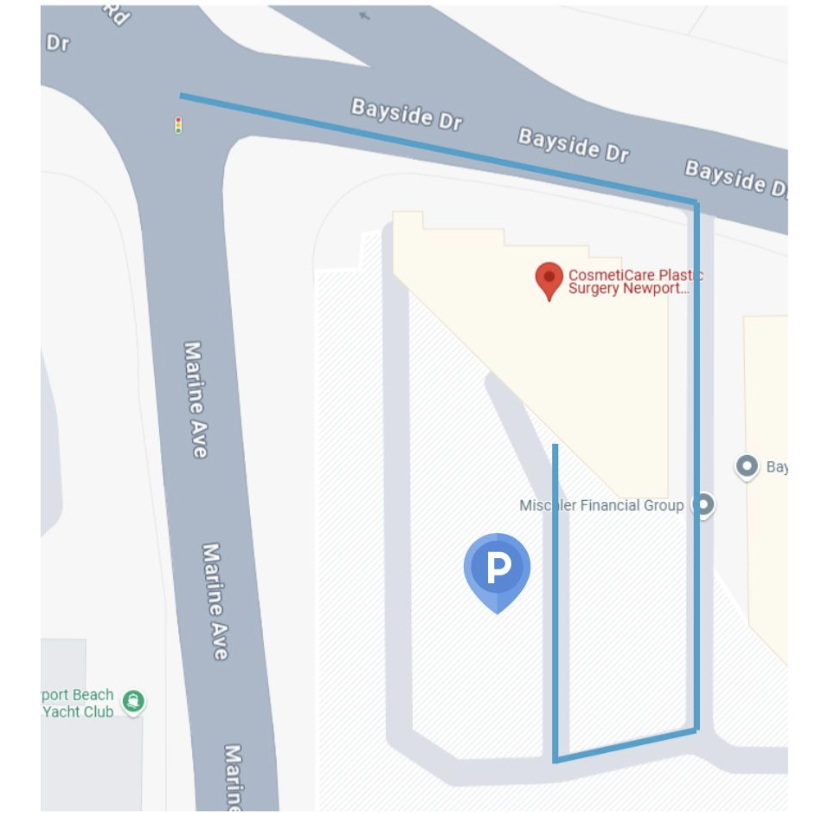
Orange County Plastic Surgery at CosmetiCare
1101 Bayside Drive, Suite 200
Corona del Mar, CA 92625
Take the elevator to the second floor (Suite 200) and check in with the front desk for your consultation or follow-up.
Free Parking Available.

