
Stamp Collecting: A Wonderful Hobby Going the Way of the Dinosaur!
By Dr. Juris Bunkis
Honorary Consul, Republic of Latvia in Southern California
Orange County Plastic Surgery, Corona del Mar/Newport Beach
I have been collecting postage stamps since the 1950s. As a young boy growing up in Canada, I was fascinated by those little pieces of colorful paper that arrived on letters from around the world. Long before the internet, Google, or smartphones, postage stamps were my windows to the world!
Stamp collecting, or philately, was a wonderful educational hobby. I learned geography, the names and flags of countries, world history, famous people, and even a little economics. I discovered countries I had never heard of and learned about historical events that had taken place long before I was born. Collecting stamps taught me patience, organization, attention to detail, and the satisfaction of building something over time.
I was certainly in good company! President Franklin D. Roosevelt was an enthusiastic stamp collector, as was King George V of Great Britain, whose collection helped form the magnificent Royal Philatelic Collection. Even John Lennon collected stamps as a youngster!
Over the years, I accumulated three albums: one devoted to United States stamps, another to stamps from other countries around the world, and a third filled with beautiful sheets of mint, unused stamps that I purchased over the years.
When I entered medical school in 1970, my stamp-collecting days effectively ended. But I never stopped treasuring those albums. Through countless moves, from Canada to New York, Boston, San Francisco, and eventually Southern California, those stamps traveled with me.
Now, as we approach retirement and are contemplate downsizing, I have been strongly encouraged to PURGE! My memorabilia, artwork, my Columbia and Harvard chairs (presented to chief residents upon completing their training), and yes, even my beloved stamp collection, are all under scrutiny!
This weekend, I decided to investigate selling my stamps. When I was young, stamp stores were everywhere. Imagine my surprise when I searched for “stamp stores near me” and discovered how few remain! I couldn’t find anyone nearby willing to examine my collection. I finally contacted an auction house and hope to hear this week whether they might be interested.
What happened to this wonderful hobby? Stamp collecting still has dedicated enthusiasts, but its popularity has declined dramatically. Fewer letters are mailed, young people communicate electronically, and video games compete for their attention.
Perhaps I am a dinosaur! But I wouldn’t trade those childhood hours with my stamp albums for anything. They helped shape my curiosity about the world, a curiosity that has stayed with me throughout my life.
And who knows? Perhaps somewhere there is a young person who would enjoy discovering the world, one little postage stamp at a time!

An example of the people around the globe stamps taught me about.
Over or Under
By Dr. Deborah Ekstrom
Orange County Plastic Surgery, Corona del Mar/Newport Beach
This Week's Plastic Surgery Quiz
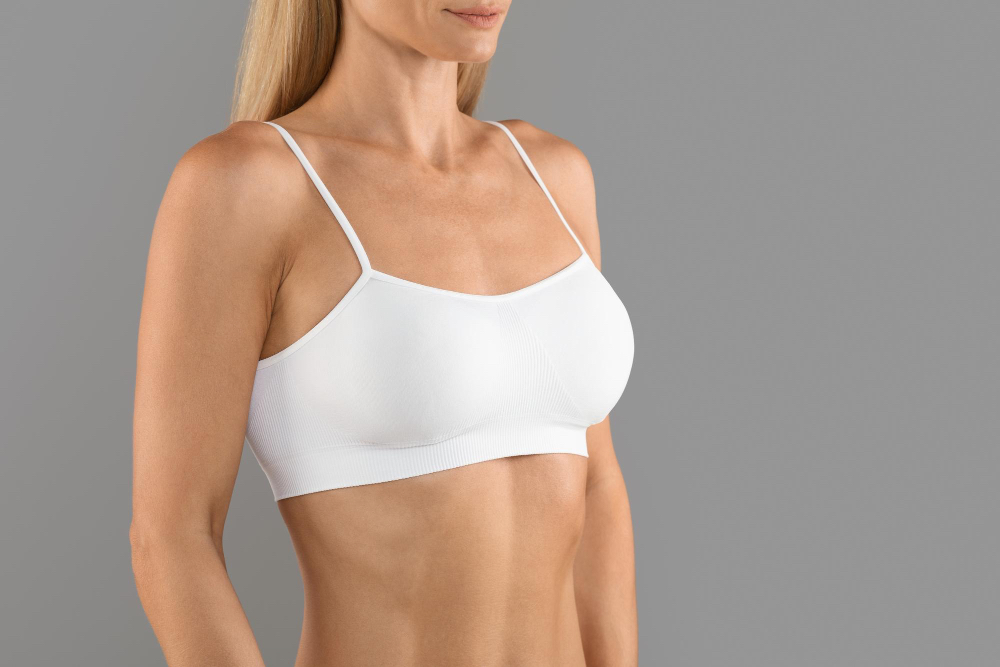
Which of the following statements about breast implant placement is MOST accurate?
One of the most common questions I hear during breast augmentation consultations is, “Dr. Ekstrom, should my implants go over or under the muscle?”
Some patients arrive having already consulted “Dr. Google or Dr. ChatGPT” and have decided exactly where they want their implants placed. While I encourage patients to educate themselves, the answer is not always that simple!
Traditionally, plastic surgeons have favored placing breast implants partially beneath the pectoralis major muscle, particularly in thinner patients. This technique, commonly called dual-plane placement, provides additional tissue coverage over the upper portion of the implant.
Below the Muscle — Advantages and Disadvantages
The additional muscle coverage can make implant edges less visible or palpable, particularly in women with very little natural breast tissue. Historically, studies have also associated submuscular placement with lower rates of capsular contracture, the formation of an abnormally tight scar capsule around an implant.
However, placing implants beneath the muscle involves lifting and releasing portions of the pectoralis muscle. This generally produces more postoperative discomfort and can prolong early recovery. Another potential disadvantage is animation deformity, where implants visibly move or change shape when the chest muscles contract.
Above the Muscle — Advantages and Disadvantages
With subglandular placement, implants rest behind the breast tissue but in front of the pectoral muscle. Surgery generally involves less muscle disruption, with less discomfort and often a quicker recovery. The implants also avoid animation deformity.
The disadvantages? In thin patients, implant edges may be more noticeable, and rippling or palpability may become an issue. Historically, subglandular placement has also been associated with higher capsular contracture rates.
What About Capsular Contracture Rates?
Older studies have reported contracture rates ranging from single digits to over 15%, depending on implant placement, surface, surgical technique, and length of follow-up. Some studies have found substantially higher rates above the muscle, but these figures cannot reliably predict an individual patient’s outcome. Modern implants and improved surgical techniques have changed the equation, and there is no single percentage that applies to every patient.
A Changing Trend
Increasingly, surgeons are reconsidering above-muscle placement for appropriately selected patients. Another option, subfascial placement, positions the implant beneath the thin fascia covering the muscle without disturbing the muscle itself.
My philosophy? There is no universally superior implant pocket. Breast tissue thickness, skin quality, implant size, lifestyle, previous surgery, and individual expectations all matter.
After more than four decades in plastic surgery, I have learned that the best operation is not necessarily the newest or most fashionable technique.
It is the one that best fits the individual patient!

Interested in achieving your dreams? CLICK HERE to set up an appointment with Dr. Ekstrom to explore your options.
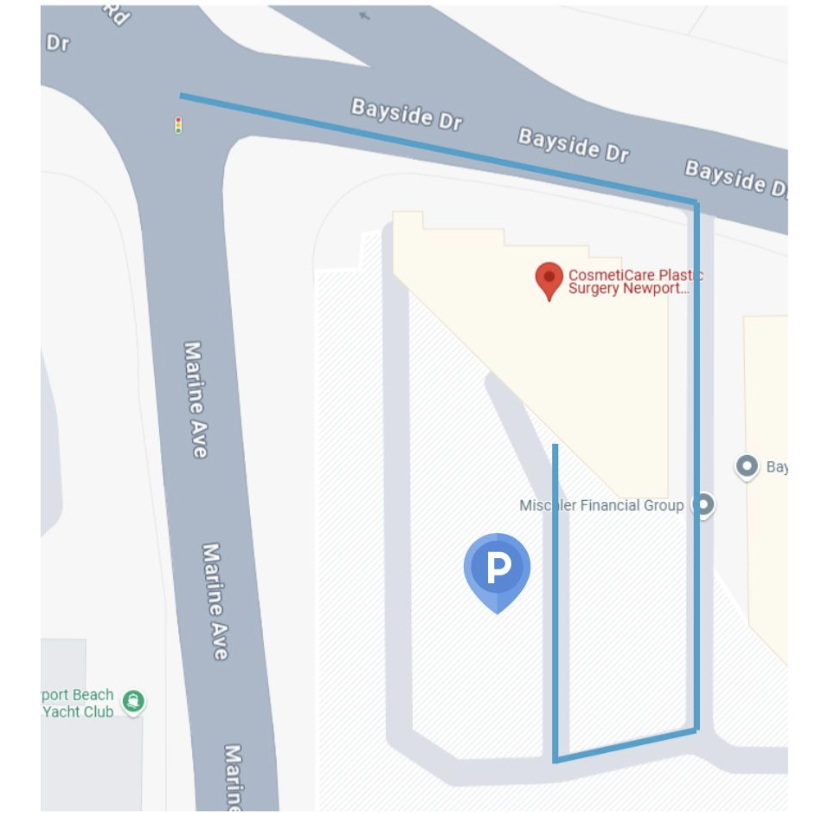
Orange County Plastic Surgery at CosmetiCare
1101 Bayside Drive, Suite 200
Corona del Mar, CA 92625
Take the elevator to the second floor (Suite 200) and check in with the front desk for your consultation or follow-up.
Free Parking Available.

