
Last updated: November 12, 2026
Liposuction 360 means treating subcutaneous fat around the midsection from multiple angles, commonly across the abdomen, waist or flanks, and back. The term describes the areas treated, not a separate fat-removal technology. At Orange County Plastic Surgery, our liposuction treatment can address these areas, but the right combination depends on an individual evaluation.
What Is Liposuction 360?
Liposuction 360 is a circumferential approach to midsection liposuction: a surgeon removes fat beneath the skin from selected areas across the front, sides, and back of the torso. The aim is a more continuous contour rather than an isolated change to the abdomen.
Cleveland Clinic notes that there is no official definition of lipo 360. That matters when comparing plans: two people using the same term may be concerned about different areas or need different approaches.
Which Areas Does Lipo 360 Usually Treat?
A plan may include the upper and lower abdomen, the flanks or “love handles” above the hips, and the back. Back fat removal or flank liposuction may be useful for one person but unnecessary for another; the term “360” does not mean every part of the torso must be treated. An article on the American Society of Plastic Surgeons’ site describes 360 liposuction as treating the torso, not the arms or thighs.
What’s the Difference Between Lipo 360 and Liposuction?
Lipo 360 is liposuction planned across multiple midsection areas, while a more limited liposuction plan may focus on a single selected area. Both approaches remove subcutaneous fat through a thin suction tube called a cannula. The difference is the scope of contouring, not a distinct way of removing fat or a guaranteed result.
Can Liposuction 360 Replace a Tummy Tuck?
Not when substantial loose skin is the main concern. Liposuction removes fat but not excess skin; a tummy tuck can remove excess abdominal skin and tighten weakened abdominal muscles. The American Society of Plastic Surgeons notes that skin with poor elasticity may not reshape well after liposuction. We can also combine liposuction with a tummy tuck when appropriate. Our guide to a full tummy tuck explains that option in more detail.
How Is Liposuction 360 Done?
Liposuction 360 uses the steps of liposuction, with treatment planned for selected areas around the torso. At Orange County Plastic Surgery, local or general anesthesia is used depending on the procedure’s extent. The procedure then follows these steps:
- The surgeon makes small incisions near the selected treatment areas.
- A thin cannula loosens fat beneath the skin.
- Suction removes the loosened fat through the cannula.
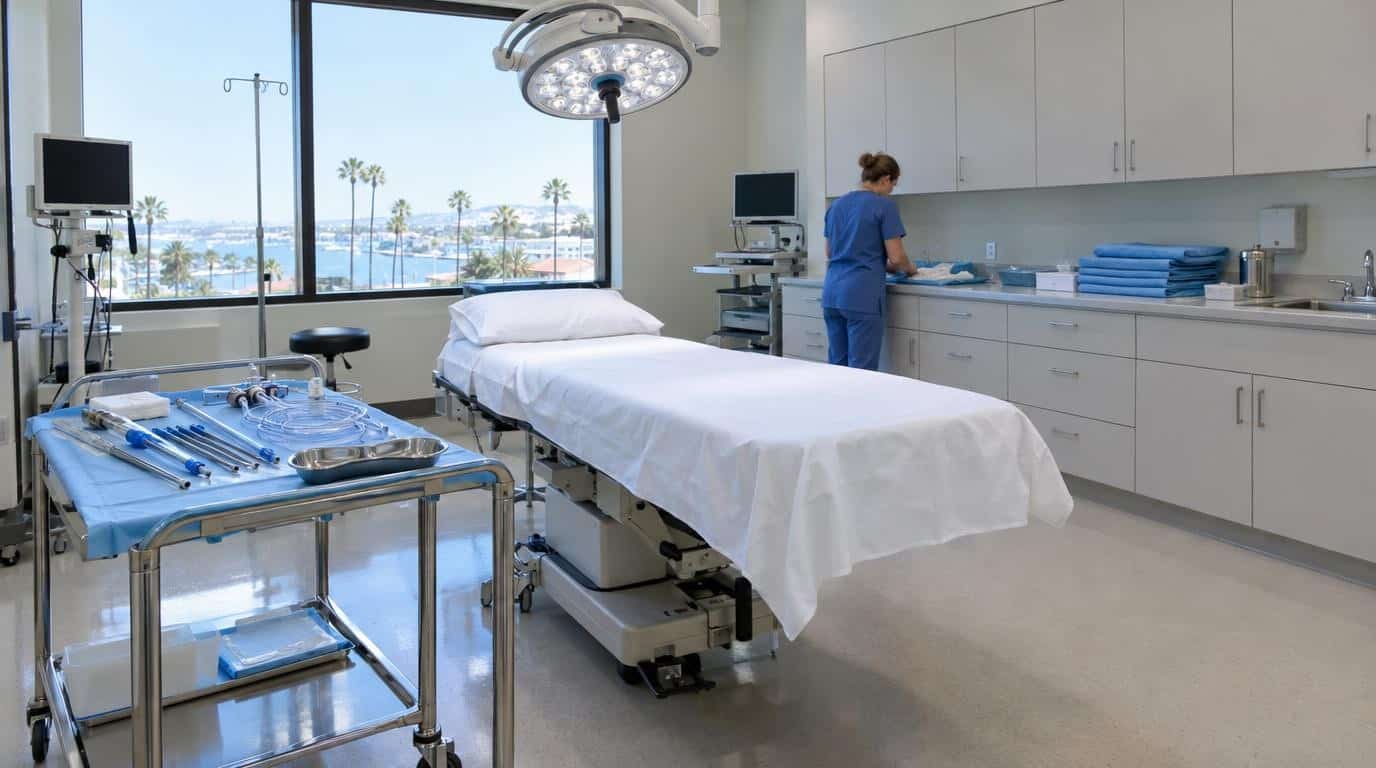
At Orange County Plastic Surgery, liposuction incisions are approximately one-eighth to one-half inch long, and more than one incision may be needed. The surgeon’s plan determines where to place them to reach the intended fat deposits. For more on the procedure itself, read what you should know about liposuction.
Which Liposuction Techniques Might Be Used?
We may use a tumescent solution to help loosen fat before suction. Depending on the plan, laser or ultrasound energy or a power-assisted vibrating cannula may also be used. These are liposuction techniques, not features automatically included because someone calls a plan “360.” The American Society of Plastic Surgeons’ procedure guide also explains how the cannula loosens and suctions fat through small incisions.
Who Is a Good Candidate for Liposuction 360?
A good candidate has localized midsection fat, a stable weight near their goal, and skin with enough elasticity to adapt after fat removal. At Orange County Plastic Surgery, we consider liposuction for people who have maintained a weight near their ideal for at least 12 months. Health, treatment extent, and skin quality also shape the decision.
In clinical practice, distinguishing a fat deposit from loose skin is central to planning body contouring. Good skin tone can help the treated area appear smoother, while poor elasticity can leave sagging skin even after fat is removed.
Can Lipo 360 Help With Weight Loss?
Lipo 360 is for contouring, not overall weight loss. Removing a localized fat deposit can change the outline of the waist or torso without meaningfully addressing excess weight throughout the body. Mayo Clinic likewise explains that liposuction is not a weight-loss alternative and is better suited to people with stable weight and fat concentrated in specific places.
Is Lipo 360 Really Painful?
Anesthesia is used during liposuction, but soreness or tenderness afterward is possible; a pain-free recovery should not be assumed. Discomfort, swelling, and bruising vary with the person and the extent of treatment. A plan involving several torso areas may feel different from limited-area liposuction, so postoperative instructions should match the actual procedure.
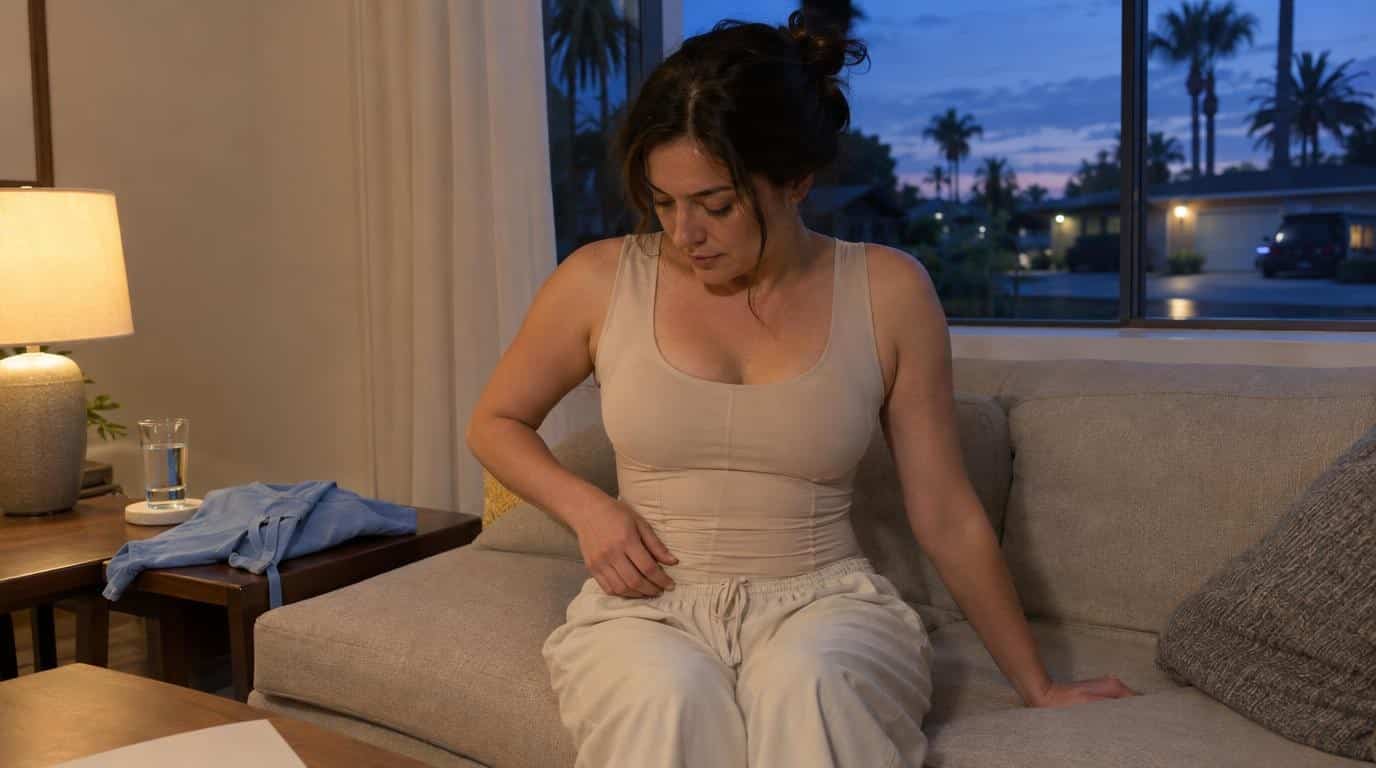
Cleveland Clinic says postoperative soreness can last a couple of days and is often described as a burning sensation. Rest, keep the surgical area clean, and take any prescribed pain medication as directed.
How Long Does Recovery Take After Lipo 360?
At Orange County Plastic Surgery, our estimate for initial recovery after standalone liposuction is approximately seven days. Residual swelling and bruising can last several months, so initial recovery is not the same as seeing the finished contour.
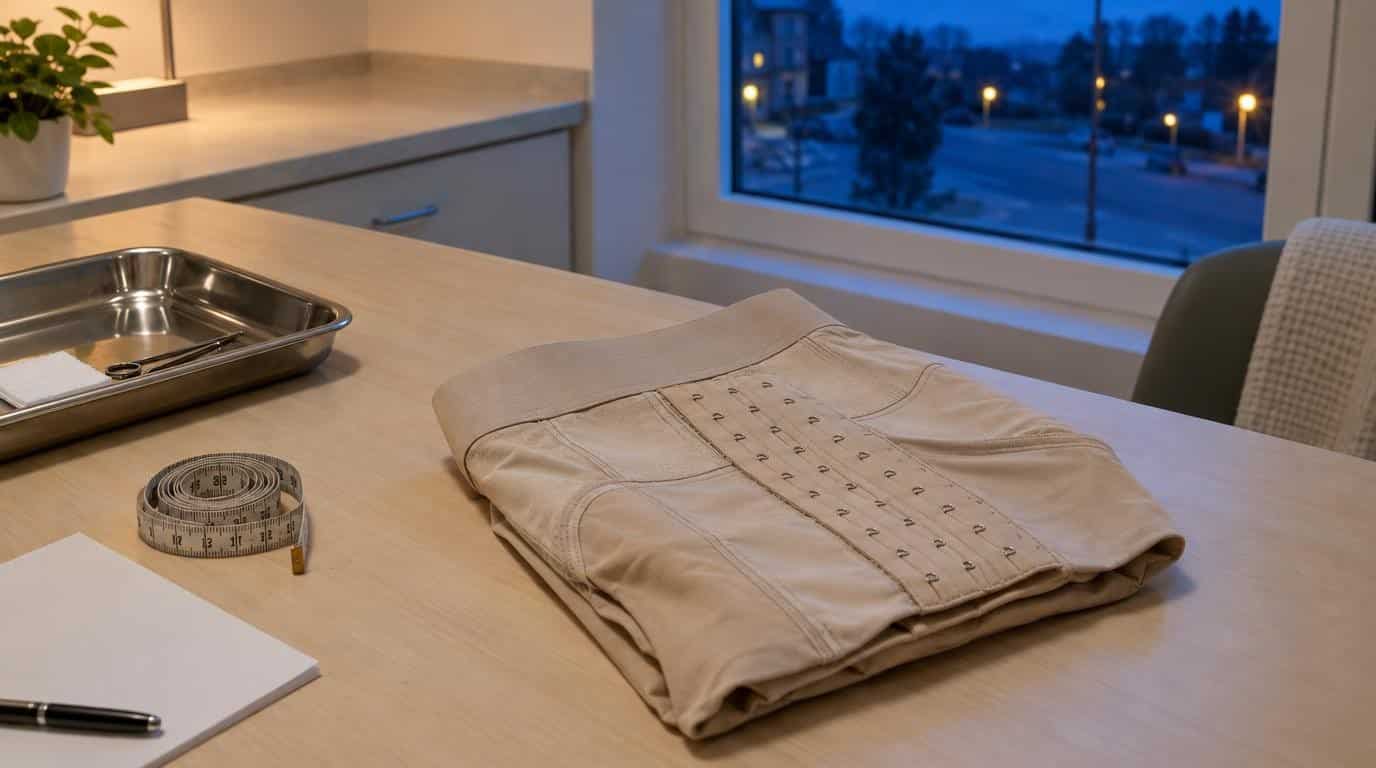
Wear a compression garment as directed and follow the surgeon’s restrictions on strenuous activity. The treatment areas and any combined procedure can affect the instructions you receive; the standalone estimate should not be treated as a promise for every lipo 360 plan.
What Results Can You Expect From Liposuction 360?
Liposuction 360 may create a smoother transition between the abdomen, waist, flanks, and back, but no particular shape or amount of fat removal is guaranteed. Swelling can hide the early contour, and skin elasticity affects how smoothly the skin follows it. Results are best understood as a change in proportions, not a fixed body shape.
Incisions also change as they heal. At Orange County Plastic Surgery, we advise that liposuction scars may begin pink or red and change color over about one year, sometimes becoming slightly darker than the surrounding skin. That healing process is separate from the gradual clearing of swelling.
Can Fat Return After Liposuction 360?
The fat cells removed from a treated area are gone, but weight gain can still change the contour. Remaining fat cells can enlarge when weight increases. Maintaining a stable weight helps preserve the shape achieved through surgery, without guaranteeing that the body will never change.
What Are the Risks of Liposuction 360?
Swelling and bruising are expected after Lipo 360. Other possible problems include uneven contours or asymmetry, temporary numbness, loose skin, infection, bleeding, and anesthesia-related complications. Fat embolism is rare but serious. Treating more areas does not remove these risks.
Loose skin is more likely to be a concern when skin elasticity is poor. A fat embolism occurs when fat enters the bloodstream and obstructs blood flow. A case report of bowel perforation after abdominal liposuction and a case report of a rare pneumothorax (collapsed lung) after upper-back and arm liposuction document serious but uncommon injuries. Seek urgent medical care for worsening abdominal pain, chest pain, or trouble breathing after liposuction. Discuss the procedure’s risks with your own clinician.
Who Should Not Have Liposuction 360?
Liposuction may be a poor fit when substantial loose skin, significant excess weight, unstable weight, or a health condition makes the proposed surgery unsuitable. If you smoke and cannot stop before surgery, you may also be a poor candidate; follow your surgeon’s individualized instructions on when to stop. If poor elasticity is the main obstacle, removing more fat may make looseness more apparent rather than solve it.
Frequently Asked Questions
Does lipo 360 get rid of cellulite?
No. Lipo 360 removes fat beneath the skin but does not treat the tissue bands that create cellulite’s dimpled appearance.
Will lipo 360 remove stretch marks?
No. Lipo 360 removes fat, not stretch marks on the skin. Skin with stretch marks may also have reduced elasticity, which can affect how smoothly it adapts after fat removal.
Can lipo 360 remove visceral fat?
No. Lipo 360 removes subcutaneous fat beneath the skin, not visceral fat surrounding organs deeper inside the abdomen.
How long does lipo 360 surgery take?
There is no set surgery time for lipo 360; it depends on the areas treated and whether another procedure is combined with it. The American Board of Cosmetic Surgery says liposuction can take under an hour or up to 3 hours or longer, depending on the number of areas. That range is not a lipo 360-specific estimate.
Is lipo 360 an outpatient procedure?
Generally, yes: liposuction is usually performed on an outpatient basis. The extent of treatment, anesthesia, your health, and any combined surgery can affect whether you can go home the same day.
How should I prepare for lipo 360?
Preparation may include lab tests and instructions about food, alcohol, medications, and vitamins. Follow the instructions for your surgical plan rather than stopping prescribed medications on your own.
Can lipo 360 fat be used for a Brazilian butt lift?
Potentially. Fat removed by liposuction can sometimes be processed and transferred to another area; MedlinePlus describes this as fat grafting. At Orange County Plastic Surgery, we also use liposuction for fat-transfer procedures such as a Brazilian butt lift. A Brazilian butt lift adds fat grafting to the surgical plan; it is not an automatic part of lipo 360.
How Can You Decide Whether Lipo 360 Fits Your Goals?
Start by identifying whether your concern is localized fat, loose skin, or both, and which areas affect your torso contour. We can compare limited-area and multi-area liposuction with nonsurgical CoolSculpting for localized fat. CoolSculpting freezes targeted fat cells rather than removing them through incisions and suction. It does not remove substantial loose skin; if skin laxity is your main concern, we can discuss skin-removal surgery separately.
Patients from Santa Ana can contact Orange County Plastic Surgery in Newport Beach to request a consultation with Dr. Juris Bunkis or Dr. Deborah Ekstrom. Bring your questions about your abdomen, flanks, and back so the discussion can focus on a plan suited to your goals rather than an assumed “360” package.
This information is general and is not medical advice. Talk to a licensed clinician about your own situation before making a treatment decision.

